Cultural History and Modern Evolution of Locs and Braids
The Roots: Ancient Origins of Locs and Braids
Braids and locs are more than just hairstyles—they are living symbols of identity, spirituality, and culture.
Braids: Dating back over 5,000 years in Africa, braids were used to signify tribe, social status, age, and even marital status. Intricate patterns carried meaning and often took hours or even days to create.
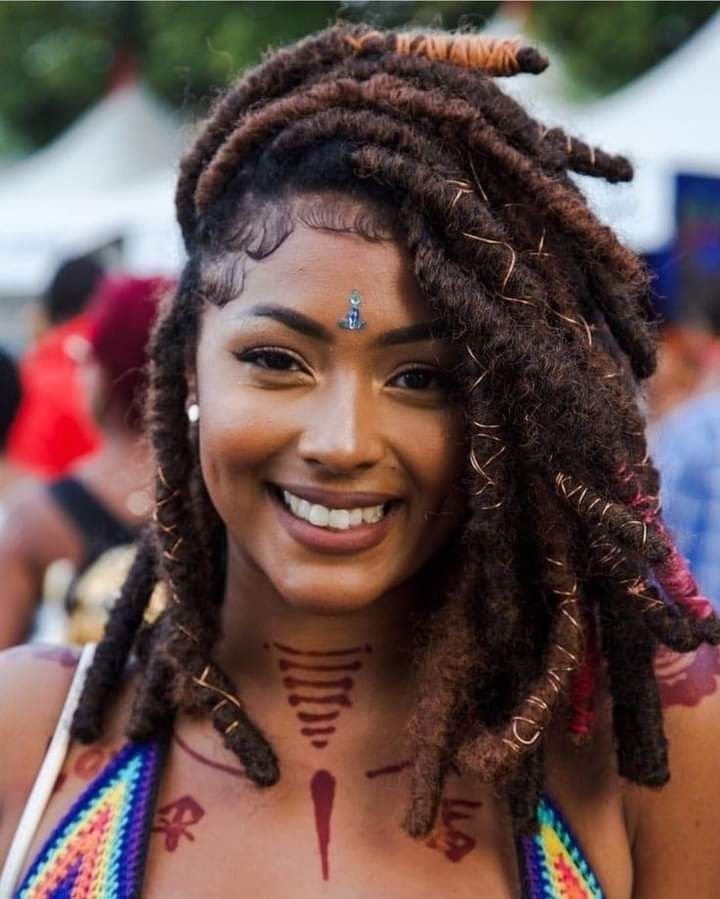
Locs (Dreadlocks): Worn by ancient Egyptians, Indian Sadhus, and African tribes like the Maasai, locs symbolized spirituality, strength, and deep cultural pride.
👉 These styles were—and still are—powerful markers of heritage.
Locs and Braids in the Diaspora
During the transatlantic slave trade, enslaved Africans used braids for more than beauty. Some braid patterns served as maps for escape routes or carried seeds hidden within them to preserve ancestral farming traditions.
Braids became a survival tool.
Locs represented resistance and identity in the face of oppression.
👉 They were never “just hair.”
From Stigmatization to Empowerment
In colonial times and beyond, both locs and braids were often stigmatized. They were wrongly labeled “unprofessional” or “unkempt.”
But by the mid-20th century, cultural icons reclaimed these styles:
The Rastafari movement gave locs a spiritual and political voice.
The Black Power movement in the 1960s and 70s embraced natural hair and braids as symbols of resistance and pride.
👉 Wearing these styles became an act of self-love and empowerment.
The Modern Evolution of Locs and Braids
Today, locs and braids are celebrated worldwide—blending tradition with innovation:
Protective styling: Box braids, faux locs, knotless braids, and crochet styles protect natural hair while looking stylish.
Fashion-forward: Designers showcase braids and locs on global runways.
Pop culture icons: Celebrities like Zendaya, J. Cole, Alicia Keys, Burna Boy, and Lupita Nyong’o proudly wear them.
Gender-neutral: Both men and women embrace these styles as a form of self-expression.
👉 What began as culture has evolved into a global fashion and identity statement.
Why Locs and Braids Remain Timeless
Cultural Identity: They honor African ancestry and tradition.
Versatility: Styles can be simple, intricate, formal, or casual.
Practicality: They protect natural hair and encourage growth.
Expression: Each style tells a personal story of confidence, pride, and individuality.
Celebrate Culture at LIPEK CUTZ / BRAIDS
At LIPEK CUTZ / BRAIDS Barbershop, we treat locs and braids with the respect they deserve. Our stylists don’t just create styles—we honor their history, culture, and artistry, while adding a modern touch to keep you looking sharp.